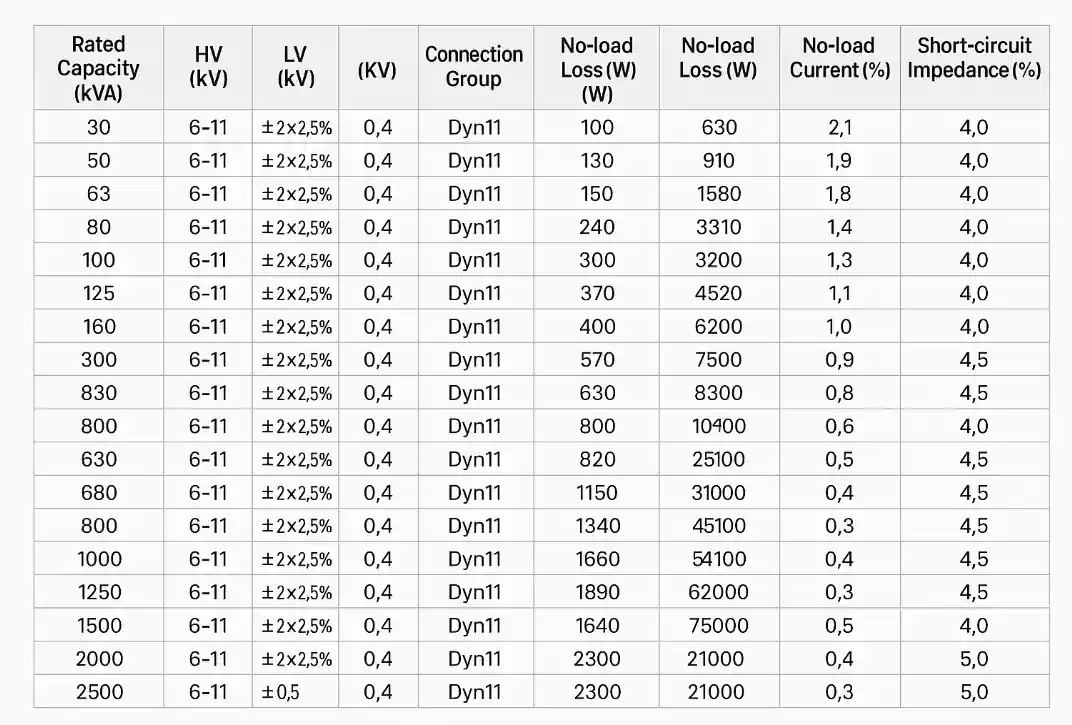
A secondary substation is a type of electrical substation that receives power from a primary substation or a transmission line and distributes it to a smaller area, typically a local distribution network or a industrial facility. It plays a crucial role in the electrical grid, stepping down high-voltage power to lower voltages for safe and efficient transmission to end-users. Secondary substations are designed to provide reliable and efficient power supply, often featuring switchgear, transformers, and circuit breakers to ensure grid stability and power quality.
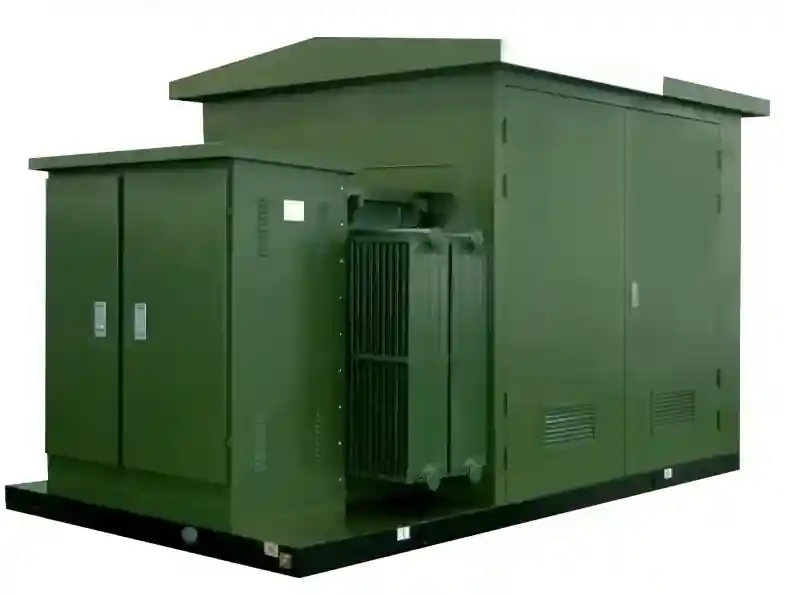
A secondary substation is a type of electrical substation that plays a crucial role in the transmission and distribution of power. It receives electrical power from a primary substation or a transmission line and then distributes it to a smaller area or a local network. Secondary substations typically consist of transformers, switchgear, and other electrical equipment, and are often used to step down high-voltage power to a lower voltage for safe and efficient distribution. They are a vital part of the electrical grid, enabling the reliable supply of power to homes, businesses, and industries.