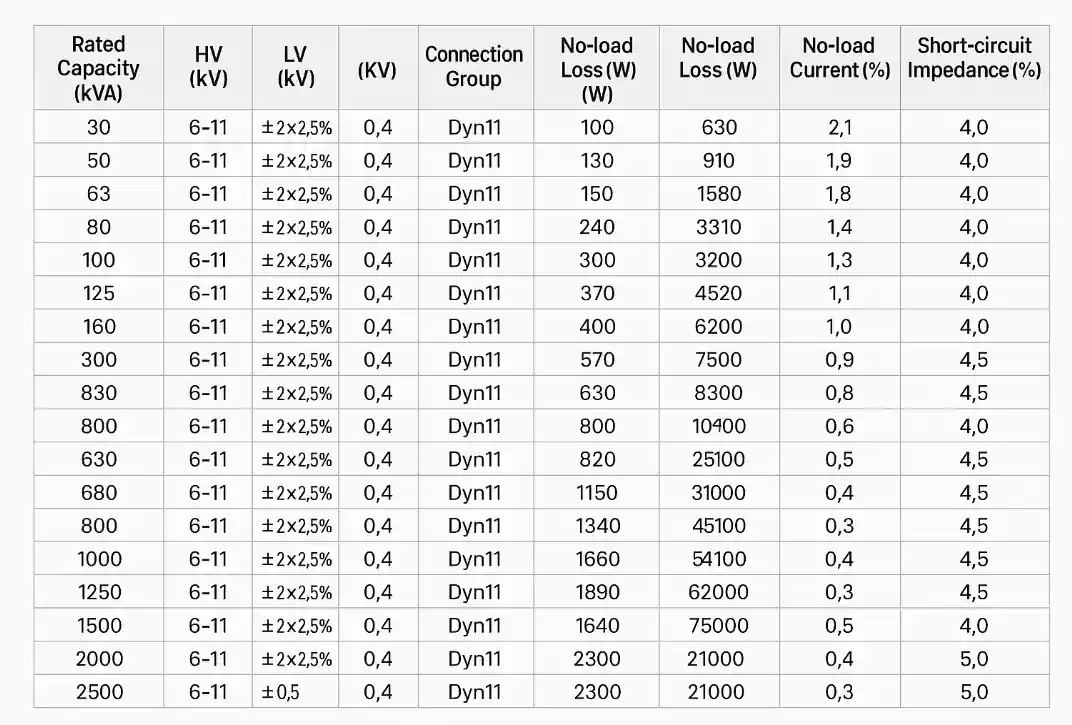
A secondary substation is a critical component of the electrical grid, serving as a stepping stone between the primary substation and the distribution network. Its size and cost vary depending on the load and voltage requirements. The substation typically consists of a transformer, switchgear, and control systems. A well-designed secondary substation ensures efficient power transmission, distribution, and consumption. Understanding its components and operating principles is essential for grid management, maintenance, and expansion.
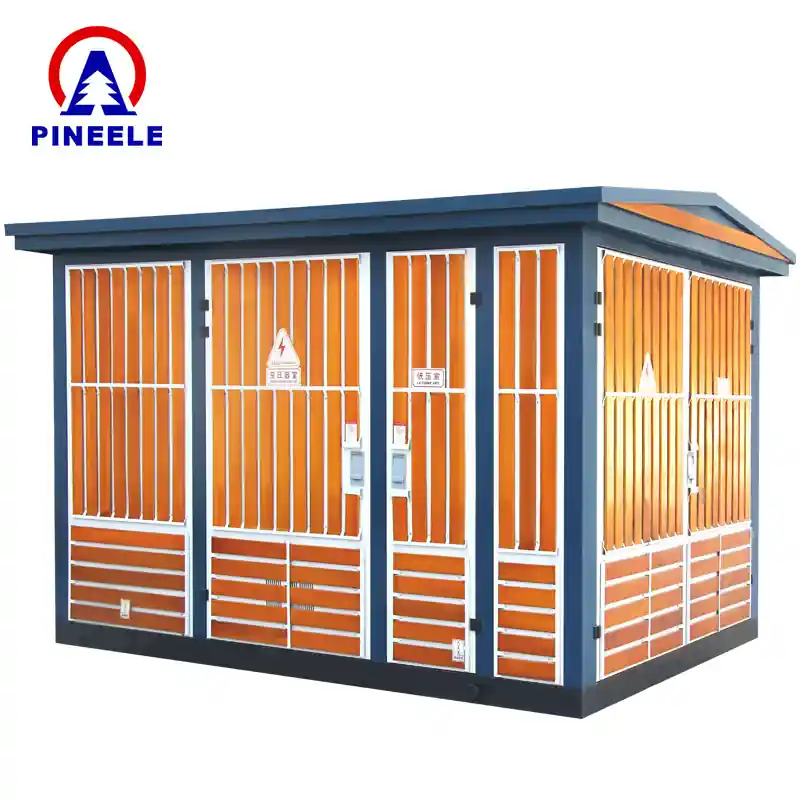
“Discover the ins and outs of secondary substations, crucial infrastructure for reliable power distribution. Learn about the typical size and cost of these substations, ranging from small to large-scale installations. Explore the essential components, including transformers, circuit breakers, and busbars, and how they work together to regulate voltage and current. Get a comprehensive understanding of secondary substations and their role in maintaining a stable and efficient electrical grid.”