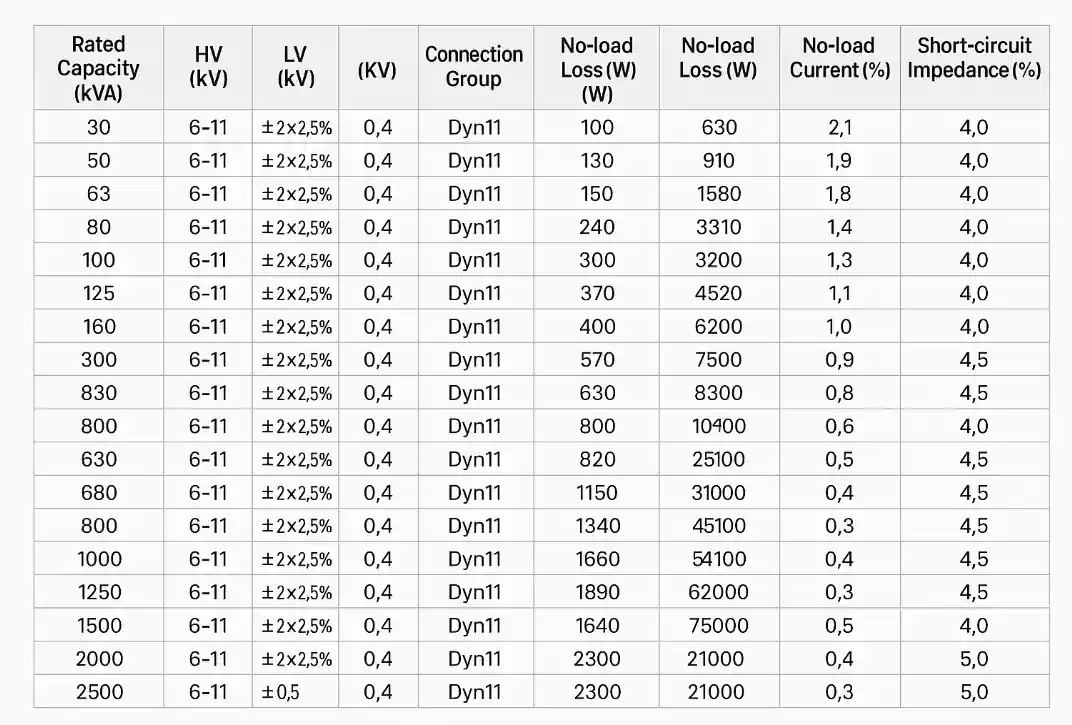
When it comes to compact substations, understanding the difference between CSS and USS is crucial. CSS stands for Compact Switchgear guide System, a compact and space-saving solution that integrates multiple devices in a single cabinet. USS, on the other hand, refers to Uninterruptible Switchgear System, designed for high-reliability applications that require minimal downtime. While both solutions prioritize compactness, CSS focuses on space efficiency, whereas USS prioritizes fault tolerance and reliability.

When designing a compact substation, understanding the difference between CSS and USS is crucial. CSS, or Current Transformer Secondary, measures current flow, while USS, or Voltage Transformer Secondary, measures voltage levels. While both are essential for monitoring and controlling substation operations, they serve distinct purposes. CSS ensures accurate current readings, while USS provides reliable voltage measurements. By grasping the unique functions of each, engineers can optimize substation performance, ensuring safe and efficient power distribution.